Showing posts with label Great. Show all posts

Monday, 13 February 2012

Siri appears to work great with British accents

Siri appears to work great with British accents | Ubergizmo window.fbAsyncInit = function() { FB.init({ appId : '139683546053659', status : true, // check login status cookie : true, // enable cookies to allow the server to access the session xfbml : true // parse XFBML }); }; (function() { var e = document.createElement('script'); e.src = document.location.protocol + '//connect.facebook.net/en_US/all.js'; e.async = true; document.getElementById('fb-root').appendChild(e); }()); Network:Ubergizmo English, French, SpanishUberphones Subscribe to RSS Ubergizmo ReviewsMobileGamingAndroidAppleComputersGadgetsConceptsPhoto/VideoEvents |  Jobs Home > Apple > Siri appears to work great with British accents Siri appears to work great with British accents Tyler Lee 10/11/2011 09:57 PDT

One of the interesting questions I had about Siri is that will it work across the board? Voice recognition on paper sounds great, but given that even in a country like the US where the English language is spoken a great deal, but what about those who speak english with an accent? Would Siri be able to differentiate and recognize those users as well?

Siri is without doubt one of the highlights of Apple’s new iPhone 4S, and while it demoed great on stage, what about real world application? Stuff magazine based in the UK decided to find out for themselves by putting Siri to the test with the British accent, which you can check out in the demo video below. It appears that Siri had no problems identifying the British accent, although given that in the UK, you will come across a wide variety of accents as well, ranging Scottish to Irish and Welsh, we’ll have to see how Siri handles those.

As for countries whose native language isn’t english, will support for those languages or accents be added in the future or will Siri be limited to just a select few regions? If Apple is indeed hoping to break into developing markets, having one of your key features in your product not perform up to par certainly isn’t the way to go about it.

Read: wired  | Add a Comment 

Follow Ubergizmo's founders on    Eliane Fiolet  Hubert Nguyen  Topics: Apple, CellPhones | Articles by keywords: iphone 4s, languages, siri, voice recognition Reviews Olympus E-P3 ReviewEpic 4G Touch ReviewGalaxy S2 ReviewDroid Bionic ReviewHP TouchPad Review - With Our Deepest CondolencesHTC Wildfire S ReviewBlackberry Bold 9900 Review
ArchivesIf you want to dig deep into Ubergizmo's past, and check what was going on previously, check our archive page. It's great for random browsing, but a search may be faster to find something specific.
TrendingMotorola Lapdock 100 - one laptop dock to rule them allPearltrees Visual Content Curation for iPadAT&T iPhone 4 cases won't fit the iPhone 4S (updated)Blackberry services down in Europe, Middle East, AfricaNexus Prime name outed by Samsung?Early iPhone 4S benchmarks Related Articles
User Comments Privacy PolicyTerms of UseContactAbout|  Q: 10  ID: 91626  

View the original article here


This post was made using the Auto Blogging Software from WebMagnates.org This line will not appear when posts are made after activating the software to full version.

Friday, 2 September 2011

Hyundai’s car shopping tool will be great for viral marketing

Hyundai’s car shopping tool will be great for viral marketing | Ubergizmo window.fbAsyncInit = function() { FB.init({ appId : '139683546053659', status : true, // check login status cookie : true, // enable cookies to allow the server to access the session xfbml : true // parse XFBML }); }; (function() { var e = document.createElement('script'); e.src = document.location.protocol + '//connect.facebook.net/en_US/all.js'; e.async = true; document.getElementById('fb-root').appendChild(e); }()); Network:Ubergizmo English, French, SpanishUberphones Subscribe to RSS Ubergizmo ReviewsMobileGamingAndroidAppleComputersGadgetsConceptsPhoto/Video |  Jobs Contact About Home > Transportation > Hyundai’s car shopping tool will be great for viral marketing Hyundai’s car shopping tool will be great for viral marketing George Wong 09/01/2011 16:02 PDT

Hyundai logoPretty much everybody is on Facebook right now and it looks like Hyundai is going to tap into the massive network with a new marketing tool, according to a report from CNET. According to its sources, Hyundai has plans to add four new car-buying tools to its Facebook fan page, that will let car buyers (or anybody who feels like it) crowdsource for the opinions of their friends when it comes to purchasing a new Hyundai car.

Since most people usually ask for the opinions of their friends when it comes to buying a vehicle, a car-buying app on Facebook makes a lot of sense for the car manufacturer. Users will have their friends already connected to them, and it would take a few clicks just to ask for their opinions. With the app, buyers can select their models, vehicle configuration, compare vehicles and even locate dealers. They can even customize a car and post the model to their wall to get opinions.

While the tools will make it extremely convenient for users who have difficulty making up their minds when it comes to car shopping, we think it’s an even greater viral marketing tool for Hyundai. After all, when people start seeing the Hyundai app popping up on their newsfeeds, they’ll be more inclined to check it out, especially if they’re in the process of looking for a new car. The tools may not guarantee more sales for the company but it will definitely increase its exposure by a long stretch. Hyundai’s car buying tools will be available sometime later this week.

Read: reviews.cnet  | Add a Comment 

Follow Ubergizmo's founders on    Eliane Fiolet  Hubert Nguyen  Topics: Transportation, Web | Articles by keywords: car, facebook, hyundai, shopping tool, viral marketing Reviews HP TouchPad Review - With Our Deepest CondolencesHTC Wildfire S ReviewBlackberry Bold 9900 ReviewMotorola Photon 4G ReviewVizio Tablet Review (8-inch)Panasonic GF3 ReviewDroid X2 Review
TrendingMotorola DROID Bionic website unlockediPhone 5 Lost in Bar, Again?Samsung Galaxy Note 5.3 officially launchedMore iPhone 5/4S pictures leakSamsung Epic 4G Touch is the only Galaxy S II with an LED notification lightXbox 360 claimed to be permanently hacked Related Articles
User Comments Privacy PolicyTerms of UseContactAbout|  Q: 10  ID: 87013  

View the original article here


This post was made using the Auto Blogging Software from WebMagnates.org This line will not appear when posts are made after activating the software to full version.

Wednesday, 17 August 2011

Sales Training is Much More About Great Attitudes Than Superior Sales Skills


Have you ever wondered why some of the best salespersons are not the most knowledge sales professionals respective to their sales skills? Possibly, he or she cannot tell you how to:


Fact finding
Turn stalls into objections
Deliver excellent presentations
Close (I prefer to say earn) the sale
Explain their overall selling process

Yet, month after month, these folks continue to meet or exceed their sales goals. And, you as the sales trainer, the human resource person or the CEO continue to shake your head as to the reason why. Why do some excellent sales team members continue to perform while having sales skills that are minimal to average at best? And the better question is how can you replicate the success of these anomalies?

Possibly, these statistics from a national sales association may help answer that question"


48% of all leads are not followed up
10% of all professionals make more than 3 contacts
80% of all earned commitments are made between the 5th and 12th contact

Looking at these statistics, the answer is truly not found within knowledge or skills because most professionals know that they need to follow-up and to keep calling. The answer is really about great selling attitudes and habits.

Recently when speaking to a group of business people including selling professionals small business owners and C-Level executives, all said that they wanted to increase sales. Yet, when I asked if they had followed up on all leads, no one could respond positively. Did these individuals know that they need to do the follow up? Of course, they did. So why did they not follow-up? The answer again is all about having the necessary positive attitudes and habits more than great selling skills.

Those people who meet their sales goals probably have far greater positive attitudes and habits than all those professionals with super sales training and skills. These individuals keep going and going, much like the Energizer Bunny, demonstrating the basic behaviors necessary for success. Sales Coaching Tip: Using a proven goal achievement process reinforced with a proven goal achievement tool can help to establish the necessary sellings attitudes and habits.

When reviewing the plethora of sales training programs, many examine how to acquire or develop sales skills as mentioned early. The emphasis on how to build positive attitudes and sustainable habits is in many cases not present. Sales Coaching Tip: Learn how to separate the real problems from the symptoms disguised as problems.

Possibly, this is why sales coaching has experienced such a dramatic increase these past few years. This type of sales training focuses much more on the individual and what is keeping him or her from success.

Take Action Sales Coaching Tip: If you want great people who actually sell and meet goals or targets, then look to developing the necessary positive attitudes and sustainable habits along with filling those gaps in sales skills.


Take this free sales skills assessment to help you increase sales.

Chicago Sales Coach Leanne Hoagland-Smith helps to achieve Sales Goals because the real Issue is not "Do They (you) know it (Sales Training), but "Do They (you) want to do it? (Sales Attitude)

Receive a special offer for Leanne's sales coaching book on how to be the Red Jacket in the Sea of Gray Suits.


This post was made using the Auto Blogging Software from WebMagnates.org This line will not appear when posts are made after activating the software to full version.

Monday, 15 August 2011

How to Find and Hire Great Sales People - 5 Steps For Staffing Success


Riding on a wave of an advertising and marketing blitzkrieg, anybody can sell a good product or service. True "salesmanship" lies in selling an unknown or lesser known product that has an average or non-existent brand name. Only a few possess this talent. Sales staffing should be aimed at hiring the best, brightest, and most talented sales professionals.

Sales success for an organization hinges largely on the proper selection of the sales people. Paying enough attention to the selection of sales staff takes care of more than half of the sales job. Smart sales people are adept at highlighting the strengths of the product or service. Sales Professionals are experts in spotting prospects and swift in overcoming objections. They can sell well even in the face of adversity and cut throat competition. Also, efficient sales people have the internal drive to succeed, a great sense of urgency to get the job done and achieve their sales objectives, even when the conditions are tough. So how do you spot such sales winners?

Search at the Right Places

Depending on the type of the organization and their sales focus, advertisements for sales staff should be strategically placed. Newspapers are the obvious first choice in placing ads for sales staffing requirements. But the selection of newspapers for sales vacancies should be correct. Sales people working in the financial field read different newspapers and industry publications than sales people working in the automobile industry. Senior sales executives prefer reading industry specific magazines and journals.

If raw recruits are what you want, campus selection could be a workable alternative. Encouraging your sales staff to poll their contacts and friends from other organizations works well too if you are looking for sales people with some experience. Networking is an excellent way of getting to know senior sales executives working for other organizations. Their current salary, benefits and pay expectations can be determined through networking.

Look for Passion

It does not matter if the sales candidate you are considering is a "rookie" or a seasoned sales professional, everybody on your sales team should have that spark. The "fire in the belly" should be felt through the eyes of the candidates. Selling is a dynamic and competitive job and it has no place for sluggish sales people who can't deal with rejection and the stress the profession has. Active and self-motivated people make good sales people. Most importantly, they should have a passion for sales and a desire to meet new prospects and solve client's problem through creatively crafting their sales solution.

Sales people should love their profession. Apart from the resume, their body language will speak volumes about their interest for the job. Arrange for more than one round of interviews to scan candidates. This will weed out the least motivated sales people from the aggressive and motivated sales people.

Real Experience

A young hire can be a smart choice. But certain sales functions cannot be handled by young and inexperienced sales people. They are the domains of experienced sales people. Screening candidates on the basis of years of service alone is a dangerous practice. Many sales people have 10, 15, or 20 years of experience which could actually mean 1 year of real experience multiplied over 10, 15, or 20 times. Working in more than one organization in various capacities dealing with a range of products leads to a bank of knowledge that is diverse. A sales professional in the telecommunication industry is better positioned if he has worked with landlines and mobile phones in comparison to one that has worked only for a mobile phone sales organization.

Do Qualifications Matter

Yes it does if you are considering hiring new candidates. Candidates with little or no actual sales experience, but who possess a professional degree in sales and marketing are preferable to candidates without the aforementioned. But, if you are hiring experienced sales people then qualification can be overlooked. There are many qualified sales people that are just average performers as there are an equal number of unqualified super sales performers. Talent, achievements, and passion can take precedence over qualifications when hiring experienced candidates.

Adaptability

Probe deeply as to whether the candidate can adapt to your sales organization and culture. This requires honestly matching the candidate's expectations and career goals to the kind of compensation and career advancement that you can offer. Candidates with a strong and independent streak are more likely to desire a sales culture that fosters and engenders a sales culture of independence and freedom. They may be good performers, but there is a chance that they will quit sooner or later if their sales personalities and desires are not met. Similarly frequent "job changers" jump from job to job at unhealthy intervals. They should be avoided.

Some sales candidates are so set in their sales skills and behaviors from their last organization that it becomes hard for them to shed old habits and adapt to a new sales organization and culture. This may cause unnecessary friction. Make this clear from the beginning - which they may have to adapt and change if they are to be successful and enjoy their sales career.

In summary, when selecting a superior sales candidate for your organization you should have a clear picture of the type of sales people you want to hire. You and your current sales team should be prepared to ask some tough pertinent questions of the candidates to determine who best to hire for the position. Candidness and a professional attitude on your part would make the selection process a truly fruitful and enjoyable one for you and the sales candidate.


Doug Dvorak is the CEO of DMG Inc., a worldwide organization that assists clients with productivity training, corporate humor and workshops, as well as other aspects of sales and marketing management. Mr. Dvorak's clients are characterized as Fortune 1000 companies, small to medium businesses, civic organizations and service businesses. Mr. Dvorak has earned an international reputation for his powerful educational methods and motivational techniques, as well as his experience in all levels of business, corporate education and success training. http://www.dougdvorak.com


This post was made using the Auto Blogging Software from WebMagnates.org This line will not appear when posts are made after activating the software to full version.

Sunday, 14 August 2011

Hiring & Retaining Great Sales People


When companies are looking to hire new sales people for their organization, most concentrate on hiring the person with the most experience or with a solid history of sales success. As a sales recruiter, our job is to find the best business development, account manager or sales rep for companies. However, many companies are not prepared to make even the best sales person successful once they begin their new sales job.

Many company specific factors go into making sales people successful. Companies who have had a hard time retaining top sales talent usually have a few things in common:

1) A well designed Sales Compensation Plan

2) Ongoing Product and Sales Training

3) Coaching, Mentoring and ongoing support from their Sales Manager

Sales Compensation Plan

From our experience, most small and medium sized businesses do not have a well designed sales compensation plan. We find the plan either too generous for the sales person or too generous for the employer. Either way, if the compensation plan is not set up properly, either your business will suffer or you will not be able to retain good sales people. As a rule of thumb, you should not pay your salespeople more than 20% of gross profit. Any more than that and your business is paying too much.

Ongoing Product & Sales Training

Having worked for and with many large companies and it never ceases to amaze me how during training 90% of the time is allocated to the product. Sales training and the process of how to sell a particular product is usually a small component in corporate training sessions. While product knowledge is important, it is irrelevant if your people do not know how to sell its features and benefits. Invest in ongoing product and sales training to ensure your sales people have up to date knowledge on new products and services and so they have the sales skills to sell it!

Coaching & Mentoring

Hiring a salesperson is a big commitment of time, energy and money. Making a hiring mistake with a sales rep can be costly on all fronts, not to mention opportunity cost, damage to key accounts and missed opportunities. We talk to dozens of sales people on a daily basis and one of the main reasons sales people leave their job is lack of support, coaching and mentoring from their sales manager.

Ensure your sales managers are equipped with the skills to effectively coach and mentor your sales people. Most sales managers are promoted because they were the top sales rep and do not necessarily possess the skills needed to be a coach and mentor. Invest in sales management training for your sales managers to ensure their skills are up to the challenge.

The important thing to remember is that finding a great sales person is only half the battle. You need to invest in their selling skills, product knowledge and their sales managers to ensure you have sales people that are successful and stay with your organization for years to come.


Matthew Cook,
President
SalesForce Search

Where Great Sales Teams Begin
http://SalesForceSearch.ca/

Hiring great sales people is one of the most important hiring decisions companies make yet few companies have a process for identifying top sales talent.

That's where we come in. At SalesForce Search our unique Hiring Process combination of sales specific interviews, role plays and sales skill assessments will help you make the best hiring decision for your sales organization.


This post was made using the Auto Blogging Software from WebMagnates.org This line will not appear when posts are made after activating the software to full version.

Tuesday, 9 August 2011

Sales Managers - The 6 Steps to Become a Great Sales Coach


Although a salesperson's professional development is limited when it centres only on classroom learning many organisations still persist with it. At the risk of upsetting those in the learning and development field it has to be said that classroom learning has minimal impact in the medium to long term and by every measure the return on investment for the company is poor. At best the retention for the salesperson is 30% if active learning such as role play is part of the skills development and considerably lower at 5% if it is passive when the facilitator talks most of the time. When infield sales coaching becomes integral to the sales person's development this figure can escalate to a staggering 90%. With up to 70% of top sales performers leaving because of dissatisfaction with their manager relationship sales coaching provides an opportunity to forge close working ties.

So why doesn't every sales manager incorporate sales coaching for their salespeople?

Based on our research the reasons are:

1) They don't know how

Many of you reading this may relate to this category. You were a very successful salesperson and so promoted to sales management with inadequate or no training for the role. You were not aware of infield sales coaching because it wasn't part of the company's culture

2) They don't have a sales background

The sales manager came from another department within the company such as administration or operations. This is seen as a good career move and endorsed by senior management and is for a limited time of 2-3 years before the person moves onto another role. Because such an individual lacks sales experience they feel uncomfortable and incompetent in front of clients and prospects so avoid being in that position. A credibility issue with their sales team also becomes a problem

3) They don't have the time

The sales manager becomes tied up with administration and other internal matters. They try to manage their sales team from their desk. To illustrate how serious a problem this is: one large national company with a network of business throughout Australia had each business unit manager also in a sales management role. Not 1 hour was invested in the field with one sales person over the previous12 month period.

Sales coaching needs to become part of a company's sales culture just like coaching in sport is a part of the sporting culture. In fact to be effective sales managers need to spend at least 25% of their time with their salespeople in the field coaching.

Sales coaching is the key to achieving lasting sales improvement and is suitable for new people to sales through to sales veterans to reinforce knowledge and skills already known but not used effectively.

Sales coaching consist of 3 components:

1. Knowledge and skills

A common sales criticism of classroom learning is that it's theoretical and won't work in the 'real world.' However, when sales coaching becomes part of their development program the classroom theory is converted into practical know how. In fact when a specific skill is applied by the sales manager and then later duplicated by the salesperson, behaviour change and motivation are immediate

2. Objective sales competency levels.

When salespeople are measured against the 6 competency levels their true competency level can be identified. For the sales person to progress to a higher level the sales manager needs to use every teaching method available from seeing, hearing and demonstration to clarifying what to do and why.

3. An evaluation methodology to measure the outcomes.

A competency based training and development format is one of the best ways to measure skills performance.

The Curb Side Conference

This is the term used to describe how the previous sales call is reviewed for the purpose of developing or refining the sales person's selling skills. The 6 step sales coaching process is used to achieve this outcome:

1) Briefly recap the sales objectives.

The objective/s for the sales call should have been set before the call. Recapping at the beginning of the curb side conference helps the salesperson to focus on the discussion at hand.

2) Provide a critique of the selling skills that were competently applied.

Use your sales process as the guiding template and leave out those selling skills that were incompetently or not applied. This is because you want to acknowledge and compliment the skills that demonstrated sales competence. For example "Mary let's go over the last sales call and if it's okay with you I'd like to give you feedback on the skills you applied competently." The salesperson may want to interrupt and highlight the skills they didn't apply or applied inadequately. When this happens you need to stop them and let them know they will have their turn soon. For example "I appreciate your concerns and we will deal with them shortly." Emotionally you need to come from a place of caring and support which will then be reflected in your vocal tone. Sounding judgmental or frustrated could destroy your relationship with your salesperson.

3) Ask the salesperson to self critique their sales call.

Suggest to your salesperson to also use the sales process which will assist them to critique their own sales performance in a logical manner and then it's your role to actively listen. They may focus too much on what they didn't do or did incompetently so watch for this tendency. You may need to ask them to give you a balanced view. Actively listen for any skills they omitted or believe they applied well when in reality they didn't do so. On conclusion of their self critique compliment them and move to the next step. For example "Mary you obviously have a great understanding of the sales process and I agree with your self assessment. Let me ask you, if you had the opportunity to..."

4) Ask the salesperson if they had the opportunity to do the sales call again what they would do differently?

This gives the salesperson the opportunity to uncover anything additional they may have previously missed and drawing on what they had learnt in step 2 will reaffirm those competencies.

5) Use the sales process and provide a summary critique of the salesperson's selling skills.

When you go through the summary ensure it is weighted 3:1 in favour of the positive behaviours and skills that were competently applied. This will also build their sense of self worth as well as the learning experience.

6) Finish on a positive note and set the next sales call objective.

This has to be done from the heart and for example could be expressing how impressed you were with how the salesperson qualified the prospect. When planning the next sales call objectives one needs to be a skill development objective from step 3 or 4. Caution: whilst there may be many skills needing attention focus on one which you consider to be the most important. Overloading the salesperson with too much is counterproductive and isn't the way we learn.

A last word or two...

• Curb side conference those sales calls where the learning will be the greatest

• Schedule regular monthly sales coaching even if it is as little as half a day and avoid cancelling. It will pay dividends. Staying in the office doesn't create revenue but developing a salesperson's selling ability does

• Ask your salespeople for feedback on your coaching. What could you do better?

• Sales coaching provides you with the opportunity to show sales leadership

If sales coaching is new to you or you are dissatisfied with current sales coaching practices contact Sales Consultants.


Kurt Newman is the co-founder of Sales Consultants Pty Ltd a firm that works with companies to increase sales and reduce the cost of selling. http://www.salesconsultants.com.au

Kurt's expertise is in sales strategy, sales management development; group structured sales training and infield sales coaching. As a sales person he has successfully sold products and services in 4 major market/product segments: new product sales, consultative sales, relationship sales and retail. During his selling career he created sales records for three companies in two industries and won many other sales awards for outstanding performance.


This post was made using the Auto Blogging Software from WebMagnates.org This line will not appear when posts are made after activating the software to full version.

Tuesday, 26 July 2011

Great Group Halloween Costume Ideas - Take Your Cue From Movies and Literature


If you are going mob handed to a party then you may want to coordinate your costumes into one theme. This will have a massive impact on other party goers when you arrive. Group costumes are also useful if you are going to a large venue so that you can spot each other in the crowd. Whatever your motivation, here are some great group Halloween costume ideas.

I've seen this many times before but it still looks great. Go as Alex and his Droogs from a Clockwork Orange. This film version of the novel was voluntarily withdrawn from public screening in Britain by director Stanley Kubrick, for fear that people would imitate it. He was probably more concerned with the violent aspect of it but today people love to dress up as Droogs.

A Droog costume is relatively simple. A white shirt and pants, Doc Martens boots and a bowler hat.  You can really get into the role by drinking milk and using some of the lingo but no tolchocking please.

In fact, you can get many great group Halloween costume ideas from films and literature.

How about D'Artagnan and the three Musketeers ? These are similarly themed costumes but each person can still have their own identity. A typical Musketeer costume involves a white puffy shirt, patterned tunic, pirate hat and a sword.

Robin Hood costumes would also work. Add Maid Marion and Friar Tuck and you have a few different costumes to go with Robin's Men in tights look.

TV shows and Super hero characters can also make for a good group theme. I think going as the trailer park boys would be a great idea. And it wouldn't be too hard to do either. If you like rum and coke then Julian is your man, Bubbles needs the big glasses and a few cheeseburgers for Randy.

If you really want to go for it then dress as the Munsters. Frankenstein, Vampira, Dracula and werewolf costumes will be needed for this group but you'll make a great impression at any Halloween party.


If you fancy being a musketeer this Halloween then simply click Renaissance knight costume, or maybe you want to be a knave from Robin Hood's time. Check out the full range of medieval knight costumes now.


This post was made using the Auto Blogging Software from WebMagnates.org This line will not appear when posts are made after activating the software to full version.

Saturday, 23 July 2011

Great Ways To Get Free Literature


A lot of people have no problem investing a lot of money in books and reading material. They may be building a library or a collection they can share with friends and family. However, there are also quite a few people who enjoy reading, but do not feel comfortable spending a lot of money on books. Since they may only read the book once and only be using it for a short period of time, they do not think spending on books is a good investment. If you fall into the latter category, there are still plenty of ways to fit literature into your life at no cost. One of the best ways to get free literature is to take items that are printed for sales purposes. Brochure holders and brochure displays can provide hours of reading entertainment and they cost nothing to get. When you are out and about, look for free giveaways and literature to add to your collection.

Another place where a lot of people enjoy reading for free is the public library. While your tax dollars go toward the upkeep and supply at the library, you can borrow the books without buying or paying a fee to borrow. Since you are paying taxes whether you use the library or not, you might as well make the most of it. Many libraries do not put a limit on how many books you can borrow at one time and those that do usually keep the limits pretty high. There are plenty of people who remember lugging home piles of books from the library as a child and you can continue to relive those memories as an adult, reading for free.

If you prefer the look and feel of fancy glossies, magazines would be your reading material of choice. There are plenty of places to get free or dirt-cheap magazines. Libraries often sell old magazines and if you are unable to find them there, you may be able to find them at a thrift store, yard sale or community flea market. While the information may not be as timely, many magazines just recycle story ideas year after year; so much of the information will still be applicable.

Books swaps are a great way to enjoy time with friends and get books for free. You can even find books swaps online. Book swaps allow you to trade reading materials with other thrifty readers. If you find a book swap that offer reading materials in your favorite genre, it may feel as if you have hit the literary jackpot.

Finally, trade books with family members. If you have relatives that read, you can share books with them. Make an agreement with other readers in your family that as you finish books, you will pass them along to each other to expand your library. Most readers love sharing a good book with others and this gives you an organized way to do this and not have to spend any money at all.


Stewart Wrighter recently purchased and set up several brochure holders introducing the high school musical to the community. His wife set up brochure displays to various businesses in the community.


This post was made using the Auto Blogging Software from WebMagnates.org This line will not appear when posts are made after activating the software to full version.

Friday, 22 July 2011

Homeschool Science - Teaching Elementary Science With Great Literature


How do you teach a fact-heavy subject like science with great literature? First,science is not fact-heavy, or, at least it ought not to be. British educator, Charlotte Mason called science the study of "the great scheme of the unity of life".

Abstract concepts become easy to picture and understand when they are experienced in context. A picture-packed, glitzy book filled with facts cannot teach "the great scheme of unity of life" but literature and hands-on experimentation can.

Charlotte Mason felt that the only sound method of teaching science is to combine field work and great literature. Ms. Mason saw that the teaching of science in our schools has lost much of its educative value through a fatal and quite unnecessary divorce between science and the 'humanities.

Why use literature in a study of science?

Charlotte Mason wrote of the unnecessary divorce of the sciences and the humanities: "It is through great literature that one gets at great thoughts, not through dry, 'dumbed down' textbooks." (A Philosophy of Education, p. 223).Ms. Mason was not opposed to textbooks, only to their exclusive use and that they are too often "dry and dumbed down".

What if I don't have a strong background in science?

Learning along with your child is one of the delights of homeschooling. However, if the concern is that you will miss something of what a child should know in a science curriculum, consider this. If your child can name every scientific term, define it, and still not have a sense of wonder or a curious mind, you will have failed. If you want to be sure you haven't missed anything, borrow a science textbook and study the topics as a guide.

Where can I find good science books?

Look for living books in both non-fiction, fiction and biographies. Study the book choices of high-quality curriculum companies that use literature extensively. Go to your library and ask to see the science section. If the book has too many high graphics, and is not of a strong literary quality, leave it there.

Here are five titles that you can find through inter-library loan or a Amazon, the online bookstore:

Robert Boyle: Trail Blazer of Science, John Hudson Tiner

The Story Book of Science, Jean Fabre

Archimedes and the Door of Science, Jeanne Bendick

Galen and the Gateway to Medicine,John Hudson Tiner

Louis Pasteur:Founder of modern medicine, John Hudson Tiner


If you want to learn more about homeschooling and the Charlotte Mason method, read my article "Seven Keys of Learning".

Download it free here: Charlotte Mason

Sheila Carroll helps homeschooling parents use living books and Charlotte Mason's methods to produce outstanding results in learning.

http://www.livingbookscurriculum.com


This post was made using the Auto Blogging Software from WebMagnates.org This line will not appear when posts are made after activating the software to full version.

Wednesday, 20 July 2011

How to Teach Kids to Love Great Literature


When I was five, my mother read Animal Farm to me for bedtime. I don't know exactly how much I understood of what she read, but I have a distinct memory of crying when the pig Napoleon chased my favorite character, Snowball, off of the farm. I also remember crying when Boxer the horse died. Later, as an adult, I read Animal Farm to my three-year-old daughter. I don't know exactly how much she understood, but she was attentive the whole time and watched her Daddy weep again when Boxer died. A few days ago, I randomly began to sing "Beasts of England, Beasts of Ireland, beasts of every land and clime, hearken to my joyful tidings of the golden future time" aloud in the kitchen. The text tells us the tune should be sung to "O My Darling Clementine." My daughter, now six, joined me at "Beasts of Ireland" and continued from memory to sing with me to the end of the verse.

I read a lot of horror fiction as a child and teenager. My Aunt Carrie claims that she came upon me, when I was eight years old, reading Stephen King's Cujo. I read a lot of Stephen King and Dean Koontz for many years thereafter. When I was 10, my Uncle Richard gave me The Annotated Tales of Edgar Allan Poe for Christmas. Everyone told me that Poe wrote scary stories. So I tried to read him, but found that I couldn't understand the words or get into the stories. Some of the pictures in the margins intrigued me, but, for a time, I shelved Poe. From time to time, I would pull Poe off the shelf and try to read him, but I always found him to be too difficult. But Poe didn't go away. I heard about him constantly. A book by Stephen King called Danse Macabre tipped me off to just how large Poe's influence was in the horror genre. I saw "Poe pictures" from time to time on TV. As a teenager, I continued to pull Poe off of the shelf. I still pull him off the shelf every Halloween or so. I recently read Arthur Gordon Pym for the first time. I read Pit and the Pendulum and The Black Cat to my children last Halloween. I've been through many of the short stories more times than I can count. I'm still working on understanding him.

My great-Uncle Ben died when I was very young. I remember little about him, but I do remember that I really liked him and that his death impacted my mother and I very much. We inherited miscellaneous items from him, including a few books. He had a taste for classic French humorists like Rabelais and Voltaire. One day, when I was still quite young, I pulled Gargantua and Pantagruel off of the shelf and began to leaf through it. I saw several bawdy cartoon pictures, which piqued my curiosity. I turned to the first page and read an inscription from my Uncle Ben to my mother, telling her that the book would give her great knowledge and comfort, especially following her divorce. Now I was even more curious to discover how a book full of bawdy pictures might relate to knowledge and comfort. I began reading Gargantua and Pantagruel and it didn't take me long to decide that it was one of the funniest and most enlightening books I had ever encountered. I didn't mention to anyone that I was reading Rabelais, considering him to be the best kept secret of antiquity and fearing that others, especially mom, wouldn't think I should be reading such things. Looking back, I probably had nothing to fear since she knew I was reading Cujo at eight. Maybe she didn't know what was in any of those books. Then again, maybe she did.

Years later, when I walked by Encyclopedia Brittanica's collection of Great Books of the Western World in a university library, the name Rabelais caught my eye. What was he doing side by side with names like Plato, Aquinas, and Newton? Rabelais was one of the only authors I had read in that set, but if the rest of them were his friends, then maybe they had something to offer me. I set a goal to read all of them and completed it within 8 years.


This post was made using the Auto Blogging Software from WebMagnates.org This line will not appear when posts are made after activating the software to full version.

Great Expectations - Charles Dickens - English Literature Essay


Charles Dickenn's Great Expectations is a story about a boy, Philip Pirrip, who comes to a point in his life where his life changes drastically from the way it was when he was growing up. Whenever this change occurs, he does his best not to let people know about his past life where he was just a common boy. Throughout the novel, Dickens points out how people sometimes lead two lives that they want to keep separate.

The change in Pip's life is characterized in several ways. First of all, there is a physical change, when he moves to London. That just accentuates the difference between the two ³lives. Before, he lived in a small town that was near some marshes, both of which reflect the common side of his life. London is seen by Pip as a great and wonderful city which symbolizes his expectations of what is to come in his future. Another change in his life is that he is treated better by others. Mr. Trabb, the tailor, takes exception to Pip after he hears that he has come into a fortune. He measures Pip very quickly, and gets angry at his son for not showing the same respect of Pip's wealth. Then, when he next sees Pumblechook, he repeatedly asks Pip if he may shake his hand, as if it is some great honor. Before the news, he hardly treated Pip any differently than any other common boy. Pip also looks to the way his new acquaintances are treated, most notably Mr. Jaggers. He is treated with a great deal of respect by everyone, and even invokes fear in some. Pip had never seen this level of respect for someone that was his direct acquaintance before, except for Miss Havisham, who he knew had great wealth.

This dual lifestyle is paralleled in Mr. Wemmick, the clerk for Mr. Jaggers. Mr. Wemmick, when at work, only thinks about his work, and doesn't let his personal life affect how he goes about his business. The flip side of the coin is also true, as when he goes home, he forgets about anything that happened at work, and concentrates on making his deaf father happy. The scene when he takes Pip to work shows the change that he goes through on his way to work: By degrees, Wemmick got dryer and harder as we went along, and his mouth tightened into a post-office again. Just like Pip, he changes how he acts according to which role he is playing.


You may visit http://www.TermPaperAdvisor.com and http://www.TermPapersMadeEasy.com for instant access to thousands of term papers. Several thousand free papers are also offered.


This post was made using the Auto Blogging Software from WebMagnates.org This line will not appear when posts are made after activating the software to full version.

Hotel California Meets the Great Gatsby - Music As a Teaching Resource For Literature


The most famous artistic product of the boozy 1920's is F. Scott Fitzgerald's The Great Gatsby, a novel about a man trying to recreate an ideal past in a drunken, materialistic present. It's one of those books just about everyone has a strong impression of whether or not they've actually read it - which makes it hard for many to approach the story with fresh eyes.

If you're a teacher looking for interesting, relevant ways to dig into The Great Gatsby, why not try something like this on for size: the 1920's were to WWI what the 1970's were to the hippy movement. The unprecedented global carnage following the so-called "War to End All Wars" turned disillusioned Americans inwards, setting their priorities on money, bootlegged liquor, and partying. Similarly, after the hippies failed to elevate worldwide consciousness with peace, love, and patchouli oil, 1970's America drowned its sorrows in disco, drugs, and polyester pants.

As an assignment, have your students compare The Great Gatsby to a 1970's song in this same vein. Take, for example, The Eagles' Hotel California, one of the best-selling and most recognizable songs from this (or any) era of American history.

Hotel California boasts some of the most analyzed and memorized lyrics in rock and roll. If the element of mystery means a lot to you, you'll probably be disappointed to hear Don Henley's two cents: "It's basically a song about the dark underbelly of the American dream." Not that a bunch of rock stars would know anything about that. In other words, the symbol of Californian prosperity (back when that still existed) stands in as a microcosm of American decadence in the 1970's.

The "hotel" (wink, wink) California is no Motel 6. It has mirrored ceilings, courtyards, master's chambers, pink champagne, and high-falutin' guests. The narrator can't help but notice the seductive woman with a Benz, a mind that's "Tiffany-twisted," and a lot of hot guys following her around. He asks for wine, to which the captain famously replies, "We haven't had that spirit here since 1969." Since wine isn't a spirit (and we're betting The Eagles have a basic understanding of liquor), we're going to go ahead and assume Henley is referring to some other spirit of '69.

In a creepy turn of events, there is then a beast-killing ceremony involving "steely knives," which prompts the narrator to high-tail it "back to the place [he] was before." Only when it's too late does he realize that he can "check out" but "never leave." How, pray tell, can a person be checked out without going anywhere physically? We're thinking there might be some chemistry involved.

So let's review: luxury, substance abuse, a beautiful temptress, materialism, violence, living in the past, and being trapped. Remind you of anyone?

As a rule of thumb, music is one of the best teacher resources because it can be deeply personal and easily relatable at the same time. Plus, the fact that lyrics are usually highly open to interpretation means your students will be putting in a lot more work than they think.


Shmoop is an online study guide for The Great Gatsby, Hotel California and many more. Its content is written by Ph.D. and Masters students from top universities, like Stanford, Berkeley, Harvard, and Yale who have also taught at the high school and college levels. Teachers and students should feel confident to cite Shmoop.


This post was made using the Auto Blogging Software from WebMagnates.org This line will not appear when posts are made after activating the software to full version.

Monday, 18 July 2011

The Evolution of Great Literature - The Story of Romeo & Juliet


Calling all literary readers and writers! This is a must-read for you! Romeo and Juliet, as edited by Adolph Caso and published by the Dante University of America Foundation.

This is not a text; no, it is so much more. Personally, I found it a most rewarding adventure into my favorite activity-reading! Long before we had copyright laws that constrain creativity rather than elicit it, the storytellers of the times were able to hear a tale of wonder, enjoy it, explore it and then regurgitate it into an even greater masterpiece or, sometimes, into a moving poem, an artistic rendition of the story, or even a musical!

All of us have picked up a book and upon reading the first few pages may think that they have read it already-the theme is similar-but then the book takes off into an entirely different tale. Here, however, Adolph Caso brings to his readers what I have come to think of as "the evolution of the Romeo and Juliet story."

Caso has brought together the works of Masuccio Salernitano, Luigi DaPorto, Matteo Bandello, all Italian writers, inasmuch as the story originated in Italy--and William Shakespeare. You see, Shakespeare did not create and write Romeo and Juliet! Did you know that?

According to the Introduction, written by the editor, "a variant on the theme of Romeo and Juliet can be traced to the literatures of Greece and Rome, it received a unique and modern rendition with Masuccio Salernitan's thirty-third short story... It was amplified and modernized by Luigi DaPorto... given its definitive form by Matteo Bandello," and "immortalized by Shakespeare with his great masterpiece." (p. 7)

So what this book provides is the ability to study the same story, by four different authors. Personally, I prefer the story written by Matteo Bandello. By the way, Maurice Jonas translated the stories. I felt that Bandello's story probably more closely followed the actual story (Was this ever based upon a true story? I don't know).

The main thrust of the storyline is that while two families were feuding, a young girl of one family and a young man of the other family met purely by accident and fall in love!

All of the Italian versions place Juliet's age at 18, while Shakespeare moved the age to a much younger one. All of the Italian versions indicate that Romeo and Juliet are both dead at the end, while Shakespeare's rendition also includes that the man to whom Juliet was to be married, as arranged by her father, was also dead.

The style of poetic writing by Shakespeare is, of course, completely different from all of the others, and, indeed, is expansive in telling the story. It includes beautifully written passages that most of us have heard at one time or another:

But soft, what light through yonder window breaks?

It is the east and Juliet is the sun!...

As well as,

O Romeo, Romeo, wherefore art thou Romeo?... (pps. 121-122)

This change in writing style by Shakespeare is exactly why I feel the book is a must-read for literary readers and writers. For it is in the reading, study and digestion of the evolved Romeo and Juliet that we may see and understand all that this beautiful story has to tell us.

Indeed, for those unfamiliar with the works of Shakespeare, this is a wonderful way by which you can begin--for the earlier versions ensure that you are totally familiar with the storyline before you begin the story as written by William Shakespeare.

I highly recommend Romeo and Juliet, not only as a wonderful novel, but also as a wonderful study in the writing and evolution of great literature.


G. A. Bixler is co-owner of an online review site of Independent Professional BookReviewers. She is an avid reader and has over 40 years experience in educational administration and publishing.


This post was made using the Auto Blogging Software from WebMagnates.org This line will not appear when posts are made after activating the software to full version.

Wednesday, 13 July 2011

Good Reads Versus Great Literature Considered - A Book Lovers Discussion


There is a big difference between a book which would be considered a good read, and what we consider to be great literature. After all, you wouldn't say that a work by Hemingway was a good read rather you say it is great literature. Today, when you hear booklovers talk about a good read, generally they are talking about a popular novel writer, and a New York Times bestselling author who specializes in writing thrillers, suspense, detective, or spy novels.

When we say it's a good read, we are talking about a book with a fast pace, lots of action, lots of emotion and drama, and a book that you just can't put down. In other words, we are talking about a novel that gets you so involved in the book, that you'd rather read it than do anything else, including sleep. A book where you just keep turning the pages and you just have to know what happens next, you just can't stop at any particular breaking point simply because one chapter has ended.

So, what makes it a good reading book? Usually, it is one where you, the reader, identifies with one or more of the characters, and you end up despising some of the others. Books and novels that make you think, or challenge your morality, integrity, or ethical fiber are some of the best. Throw in a little action, an interesting location, some historical fiction, or even an explanation of an area or endeavor of science, technology, or innovation and you have all the components you need.

Does this mean someone who writes great literature cannot write a good read? Perhaps, and perhaps not, but most of what we consider to be good reads today, are certainly not considered to be superb literature, although many of the top writers and authors of our time are exceptional at their trade. Indeed, I hope you will please consider this.


Lance Winslow is a retired Founder of a Nationwide Franchise Chain, and now runs the Online Think Tank. Lance Winslow believes in writing and reading both.


This post was made using the Auto Blogging Software from WebMagnates.org This line will not appear when posts are made after activating the software to full version.

Wednesday, 6 July 2011

5 Great Ways To Promote Your Business With Facebook


If done correctly, you can use Facebook to promote your products & services, build awareness, research consumer opinion and much more! Here's a few ways...

Facebook Pages

You can create a free page for your business or web site with Facebook Pages which gives your business a presence on Facebook. You can think of it as the equivalent of your Facebook personal profile, only for your business or web site.

You can add your business details and logo and you can also spice up your Facebook Page with a range of applications.

Facebook users who become fans of your Facebook Page can post on the wall, buy your products, learn about special events or promotions, join discussion boards and upload photos and video content to your Facebook Page.

You can also send message updates to all your Facebook Page fans at once, which you cannot do with your Personal Profile.

You want to keep the social aspect of Facebook in mind as you create your Facebook Page for your business, and try to present the social, human element of your business as much as possible on your Facebook Page.

To create your Facebook Page...

Log into your Facebook home page and search for Create A Facebook Page via the search bar at the top of each page.

You might also want to have a quick browse through existing Facebook Pages in your niche before you create your own page. You can find these pages here...

You'll have various applications and options you can use once you've created your Facebook Page.

Here are some options you may want to consider...

Facebook Notes

The Notes Feature allows you to post notes in a similar way to blogging. You can add Notes to your personal profile or to your Facebook Pages.

Facebook users can subscribe to your Facebook Notes via RSS in the same way they would on any normal Blog. You can even import one external Blog into Facebook Notes via an RSS feed.

Facebook Events

You can use the Facebook Events feature to create events pages for launches, openings or any other online or offline events you are hosting.

You can invite the fans of your Facebook Page to your events and they will be able to accept, decline or "maybe" your invitation. Your friends will also see a reminder of the event when they log in to their Facebook home page.

Facebook Ads

Facebook Ads allow you to use Facebook's platform for targeted advertising of your business. This is similar to AdWords content ads. You pay Facebook per click or per impression for ads which are displayed to your choice demographic among Facebook users.

You can target your ads to specific Facebook users according to age, gender, location and interests.

Should you consider Facebook Ads for your web business?

Paid web advertising can work for you when you provide high-profit goods or services.

You will therefore have the Return On Investment (ROI) to justify the expenses of advertising. You may want to consider keeping to free methods of exposure such as Facebook Pages and Groups should you not be in a high ROI situation.

You want to make sure to research the service well before you get started and then be sure to test your market at first with only small campaigns. You can always increase the size of your campaigns when you see which ads convert well.

You can get started with Facebook Ads by clicking the Advertising link at the bottom of your Facebook home page.

Facebook for Market Research

You will also find market research opportunities with Facebook...

Browse through Groups and Pages in your niche for a snapshot of the level of interest and activity.

How large is a group? How many members join each day? What are people's interests according to what they post on the group wall?

The answers to these questions can provide you with general data about the size of your niche and activity within your niche among Facebook users.

You can also create your own Facebook Group about a specific problem or issue in your niche and use it to ask questions to people who join. You can use the information you gather from the Group for content ideas for your web site or products you wish to develop.


Dave Lewerenz is owner of [http://www.marketing-for-people-who-hate-marketing.com] - a new site devoted to helping businesspeople and independent contractors find better ways to market their businesses. Written in a clear-cut format with no technical jargon and no sales hype!


This post was made using the Auto Blogging Software from WebMagnates.org This line will not appear when posts are made after activating the software to full version.

Saturday, 25 June 2011

7 Steps to Making a Great Landing Page for PPC


Good Landing PagesLanding pages are heavily used to attract customers to where you want them on your website: the sales payment page being the ultimate objective for most ebusinesses.  Like everything else in life, there are right ways to go about creating a landing page and a million wrong ways.  Creating a good landing page is vital because this is what many first time users are going to see of your web presence, and you cannot afford for it to be the last they see of you!


Here is our simple, 7 –step program to creating a landing page which works:


Step One: Identify the USP


Every business and product will have a USP – Unique Selling Point.  Your USP may be you are the cheapest company in your zip code for your product or service, provide the tastiest food, the coldest beer, the fastest, the cleanest, the loudest, the closest, the “whatever” you do which sets you apart from the rest of the competition.


A USP will usually be combined in your primary headline, but it may be relegated to a secondary headline where you already have a short and sweet headline.  A good example is this one from Amazon:


“Earth’s Biggest Bookstore”


Step Two: Briefly Outline Benefits


Your USP headline attracts attention, but now you have to satisfy the customer’s initial curiosity.  You should have ONE paragraph, using BULLET POINTS to answer this question from your customer, “Why do I care this product or service?”


You are outlining benefits here – what will this product do for your customer.  For example:


  • We are the cheapest which means you save money – GUARANTEED!

  • You get the best quality – GUARANTEED!

  • We deliver next day nationwide which means you don’t have to wait – GUARANTEED!


Go back and edit this paragraph continuously until you have just bare bones, so taking line one:


  • We’re the cheapest so you save money – GUARANTEED!


Step Three: Use a Picture


This is known as the “Hero Shot”; think the cowboy in the Marlboro ads or the hunk in an aftershave campaign or the smiling couples for Viagra commercials.  They show the product in use, giving context which either forms an empathetic connection with the customer or appeals to their aspirations.


Typically, the hero shot will be a photo, but it can also be diagram showing where the product fits into an existing problem which is typically experienced by your target market readership, or it may be a chart showing where you rank with the competition (top!) or a simple graphic selling a number, e.g.” 50% OFF!”


Step Four: Set the Context of Use


Context of use is important, and this is closely related to step 3 and the Hero Shot.  Context of use provides the user with “real life” application; for instance, if you are selling a beverage, show it being drunk – if its beer, show it being drunk in a bar; if it’s champagne, show it being drunk on a yacht on a blue sea.


Obviously photographic imagery and video are excellent for doing this, but you can also invoke context of use by displaying a client list or by using testimonials.


Step Five: Get the Customer’s Information


Ask for the user’s email and/or contact information – this is extremely important for all landing pages, but it is especially vital for landing pages selling to other businesses (B2B).  In this instance, a landing page’s primary objective will probably be lead generation and unless you gain the contact information, you fail!


The best way to get contact information is to ask for it, typically providing some freebie or promotional pricing for a limited period.  Use a privacy statement too – this enhances your professionalism.


Step Six: Provide a 2nd Chance Safety Net


Not every visitor will turn into a converted lead or sale and you will experience a substantial number of users who are interested in you but not ready to buy now.  Provide them with a second chance to do business with you, known as a safety net, and this can take many different forms:


  • Add a button for the user to subscribe to your Facebook profile, Twitter feed or other social media presence you maintain;

  • Offer to email a reminder;

  • Offer a freebie download such as a whitepaper; or

  • Bookmark the page.


Step Seven: The Call to Action


This is the ultimate purpose of the landing page – the final act you want the user to perform and at some point you have to ask them to do it.  The call to action may be to buy your product, it may be to complete a survey, to navigate through to a sales page, to pick up a phone and call your sales team, to add themselves to your email bulletin…whatever it is that you want the user to do before they leave the landing page.


Examples include:


Meet the World’s Best Browser” and immediately below is the download box for the Firefox browser


Things Mac” placed immediately above a download box and a “Purchase: Buy things Mac now” box


NCover helps .NET teams all around the world deploy applications with fewer bugs” and placed below is a download box with an offer in it, “Download NCover – 21-Day Free Trial


Enhanced by Zemanta


No related posts.


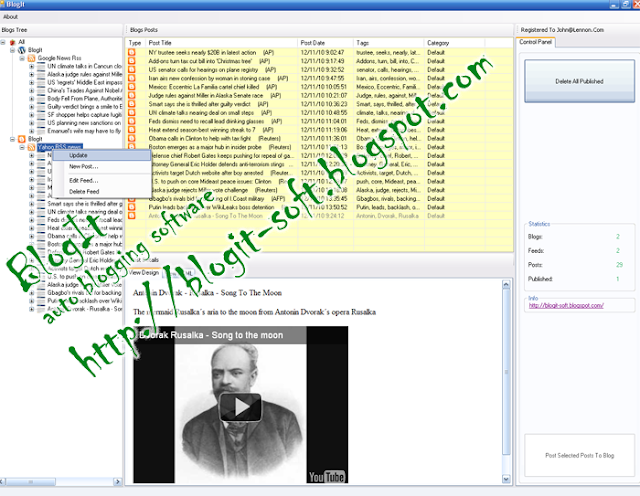
Generated by BlogIt

BlogIt - Auto Blogging Software for YOU!

BlogIt - autoblogging software for YOU

BlogIt - autoblogging software for YOU